
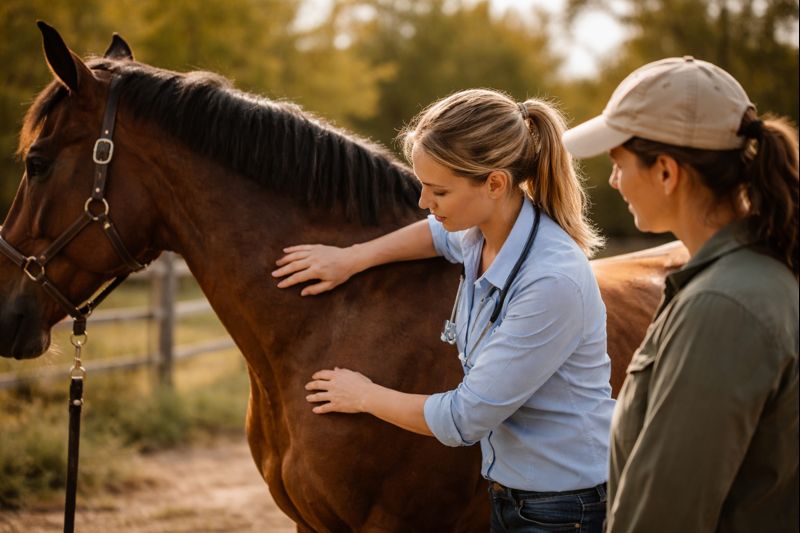
A horse’s coat is often the first thing people notice. Shine, texture, and color are commonly admired as signs of good care, but a coat is far more than an aesthetic feature. It functions as a visible reflection of what is happening inside the horse’s body.
Subtle changes in the coat can reveal important information about nutrition, overall health, stress levels, and even management practices. Learning to “read” the coat helps owners and riders identify potential issues early, long before they become serious problems.
A Healthy Coat Is a Sign of Balance
A healthy coat is not defined by shine alone. It should feel smooth, lie flat, and change naturally with the seasons. These characteristics suggest that the horse’s internal systems are functioning well and that basic needs are being met consistently.
When nutrition, digestion, hydration, and overall management are balanced, the coat tends to reflect that harmony. When something is off, the coat is often one of the first places where signs appear.
Dullness and Lack of Shine
A dull coat is one of the most common indicators that something may be lacking.
This can be linked to:
- Nutritional deficiencies, especially in essential fatty acids
- Poor-quality forage
- Digestive inefficiency
- Chronic stress or illness
While grooming can temporarily improve appearance, true shine comes from internal health, not surface treatments.
If a coat remains dull despite good grooming, it’s worth looking deeper into diet and overall well-being.
Coat Texture and Hair Quality
Coat texture provides valuable clues. Hair that feels coarse, brittle, or unusually thick may suggest metabolic imbalance, hormonal issues, or inadequate nutrition.
For example, an excessively long or slow-shedding coat can be associated with hormonal conditions or age-related changes. On the other hand, a thin or fragile coat may indicate nutritional gaps or chronic stress.
Texture changes should never be ignored, even if the horse appears otherwise healthy.
Seasonal Shedding Patterns
Healthy horses typically shed predictably with changes in daylight and temperature. Delayed or irregular shedding can signal underlying issues.
Common contributing factors include:
- Poor nutrition
- Hormonal imbalances
- Chronic illness
- Insufficient exposure to natural light
Seasonal coat transitions offer an opportunity to assess whether the horse’s system is adapting normally.
Patchiness and Hair Loss
Hair loss or patchy areas can have multiple causes, ranging from external to internal.
Potential factors include:
- Skin conditions or parasites
- Allergic reactions
- Poor saddle or blanket fit
- Nutritional deficiencies
Localized hair loss often points to friction or contact issues, while widespread hair loss may suggest systemic concerns.
Identifying patterns is key to understanding the root cause.
Coat Color Changes
Changes in coat color, such as fading or discoloration, can be more than cosmetic.
Sun bleaching is common, but excessive fading may also be linked to nutritional imbalances, particularly involving minerals like copper or zinc. In some cases, stress or metabolic changes can also affect pigment.
Color shifts should be considered alongside other health indicators rather than dismissed as purely seasonal.
The Impact of Nutrition on Coat Health
Nutrition plays a central role in coat condition. Adequate protein, vitamins, minerals, and fats are essential for hair growth and skin health.
A well-balanced diet supports:
- Strong hair structure
- Healthy skin barrier
- Natural shine
Supplementation should be targeted and based on actual needs rather than trends or guesswork.
Stress and the Coat
Chronic stress can visibly affect a horse’s coat. Stress influences digestion, immune function, and hormonal balance, all of which contribute to coat quality.
Horses under prolonged stress may develop:
- Dull coats
- Delayed shedding
- Increased susceptibility to skin issues
Environmental management, routine, and social conditions all play a role in reducing stress-related coat problems.
Grooming as a Diagnostic Tool
Regular grooming does more than improve appearance. It provides an opportunity to notice changes in texture, sensitivity, or skin condition.
Attentive grooming helps owners identify small changes early, before they escalate into larger concerns.
The coat often tells a story — grooming helps you listen.
When to Look Beyond the Coat
While the coat offers valuable insight, it should always be considered in context. Behavior, energy levels, appetite, and performance all contribute to the bigger picture.
A coat issue is rarely isolated. It is often a symptom rather than a standalone problem.
Supporting Long-Term Coat Health
Maintaining a healthy coat requires consistency rather than quick fixes.
Key elements include:
- High-quality forage
- Balanced nutrition
- Adequate hydration
- Proper turnout and movement
- Low-stress management
When these fundamentals are in place, coat health tends to follow naturally.
Final Thoughts
A horse’s coat is one of the most accessible indicators of internal health. By paying attention to changes in shine, texture, shedding, and color, owners gain valuable insight into their horse’s overall condition.
Rather than viewing the coat as a cosmetic feature, it should be seen as a communication tool — one that reflects how well the horse’s needs are being met.
Healthy horses tend to show it, quite literally, on the surface.