
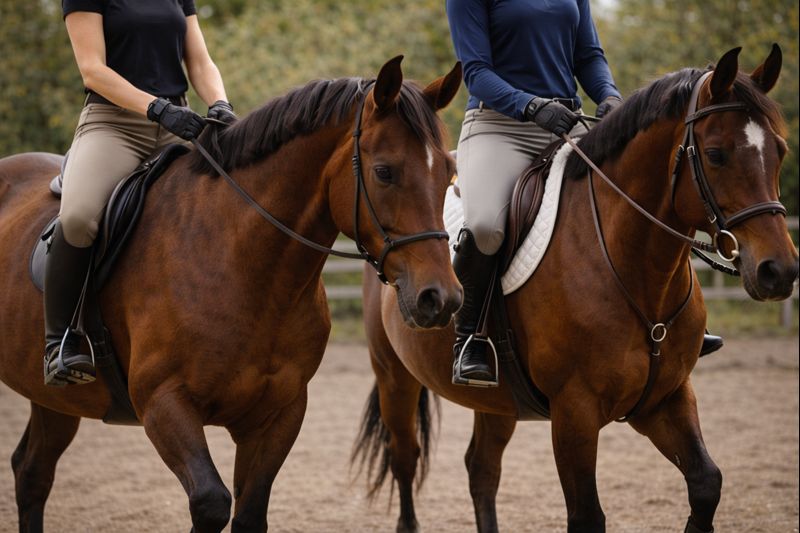
Few topics spark as much debate in the equestrian world as tack choices. On one side, traditional equipment—rooted in decades or even centuries of practice—represents structure, discipline, and proven functionality. On the other, minimalist tack promises freedom, lightness, and a closer connection between horse and rider. The discussion often becomes polarized, as if one approach must be right and the other wrong.
In reality, the question is not whether minimalist or traditional tack is better. The real question is what actually matters for the horse’s comfort, movement, and understanding—and whether the chosen equipment supports those goals rather than the rider’s ideology.
Understanding What “Minimalist” and “Traditional” Really Mean
Minimalist tack generally refers to equipment designed to reduce material, contact points, or mechanical influence. Examples include simpler bridles, anatomical designs with fewer straps, thinner saddle pads, bitless options, or saddles with less structure.
Traditional tack typically includes more structured saddles, classic bridles, bits, nosebands, and standardized designs developed within specific disciplines. These systems evolved alongside formal training methods and competitive rules.
Neither category automatically guarantees good or poor horsemanship. Equipment does not train the horse—the human does.
The Appeal of Minimalist Tack
Minimalist tack appeals to riders seeking a lighter feel and more natural movement. The idea is straightforward: less equipment equals fewer restrictions, allowing the horse to move and respond more freely.
Potential advantages often include:
- Reduced pressure points
- Increased sensory clarity for the horse
- Greater rider awareness due to less mechanical assistance
- Easier detection of imbalance or tension
- A feeling of closeness and subtle communication
For some horses, especially those sensitive to pressure or over-handled in the past, simplifying equipment can reduce anxiety and encourage relaxation.
The Risks of “Less Is Better” Thinking
Minimalist tack is not automatically kind. Less structure also means less distribution of pressure and less support for imbalance. When used without appropriate skill or understanding, minimalist setups can concentrate pressure rather than reduce it.
Common risks include:
- Increased pressure on smaller contact areas
- Reduced stability for the rider
- Greater demand on rider balance and coordination
- Inconsistent signals due to lack of structural guidance
- Misinterpretation of resistance as “expression”
Minimalist tack often requires more rider responsibility, not less. When the rider lacks balance or clarity, the horse absorbs the consequences.
The Role of Traditional Tack in Stability and Support
Traditional tack exists for practical reasons. Well-designed structured equipment can distribute weight, stabilize the rider, and provide consistent points of contact that help both horse and rider organize their bodies.
Benefits of traditional tack may include:
- Even weight distribution across the back
- Greater rider stability during complex movements
- Clear, consistent aids for less experienced riders
- Support for discipline-specific demands
- Increased safety in high-intensity work
In many cases, traditional tack protects the horse from rider imbalance rather than creating restriction.
When Traditional Tack Becomes a Problem
Problems arise not from tradition itself, but from misuse or rigid adherence. Traditional equipment can become harmful when:
- Fit is ignored in favor of appearance
- Equipment is used to compensate for training gaps
- Mechanical advantage replaces correct riding
- The horse’s feedback is dismissed
- Rules matter more than welfare
A poorly fitting traditional saddle or an over-tightened noseband is not “classical”—it is uncomfortable, regardless of how common it may be.
Fit Matters More Than Philosophy
One of the most important truths in this discussion is that fit outweighs style. A well-fitted traditional saddle is far kinder than a minimalist saddle that concentrates pressure. Likewise, a simple bridle that fits correctly is preferable to an anatomical one that pinches or rubs.
Questions that matter more than the label include:
- Does the equipment allow free movement?
- Is pressure distributed evenly?
- Can the horse lift its back and use its neck?
- Does the horse show relaxation, rhythm, and willingness?
- Is the rider balanced without relying on equipment?
The horse’s way of going is the most honest answer.
Minimalism Does Not Replace Training
One of the common misconceptions around minimalist tack is that removing equipment automatically improves communication. In reality, communication improves when timing, balance, and clarity improve.
Minimalist setups often expose weaknesses rather than fix them. A rider who relies on saddle blocks or leverage may feel insecure when those supports are removed. That discomfort is informative, but only if addressed through education rather than avoided or blamed on the horse.
Traditional Tack Does Not Excuse Heavy Aids
Conversely, traditional tack should not be used to justify heavy hands or excessive control. Structure is meant to support subtlety, not replace it. The most refined riders use traditional equipment quietly, with minimal visible effort.
Good riding looks the same regardless of tack style: relaxed horse, balanced rider, clear communication.
Discipline, Context, and Environment Matter
Tack choices must be appropriate for the work being done. Minimalist tack may work beautifully for groundwork, hacking, or light schooling. Traditional tack may be necessary for jumping, high-speed work, or advanced collected movements where stability and safety are critical.
Environment also plays a role. Terrain, footing, climate, and horse temperament all influence what equipment is suitable.
There is no universal solution—only context-sensitive decisions.
Listening to the Horse Instead of Following Trends
Trends move faster than horses’ bodies. What is fashionable on social media may not be appropriate for every horse. Horses communicate comfort or discomfort clearly through movement, expression, and behavior—if we pay attention.
Signs that your tack choice is working include:
- Improved relaxation and rhythm
- Willingness to stretch and engage
- Stable contact without resistance
- Consistent performance across sessions
- Absence of tension-related behaviors
Signs that something needs reconsideration are equally clear.
Welfare as the Common Ground
Minimalist and traditional approaches often appear opposed, but they share a common goal when practiced responsibly: horse welfare. Both can succeed or fail depending on how thoughtfully they are applied.
True horsemanship is not defined by how little or how much equipment is used, but by how well the rider understands its effects.
What Really Matters in the End
At the end of the debate, the horse does not care about ideology. The horse cares about comfort, clarity, and fairness. Equipment should:
- Support natural movement
- Protect the horse from imbalance
- Encourage relaxation and confidence
- Allow clear, consistent communication
When those criteria are met, the tack—minimalist or traditional—has done its job.
Choosing equipment should be an ongoing conversation with the horse, not a fixed identity statement. When riders prioritize function over fashion and feedback over belief, the debate fades—and good riding remains.