What Makes Equestrian Events Valuable Beyond Competition
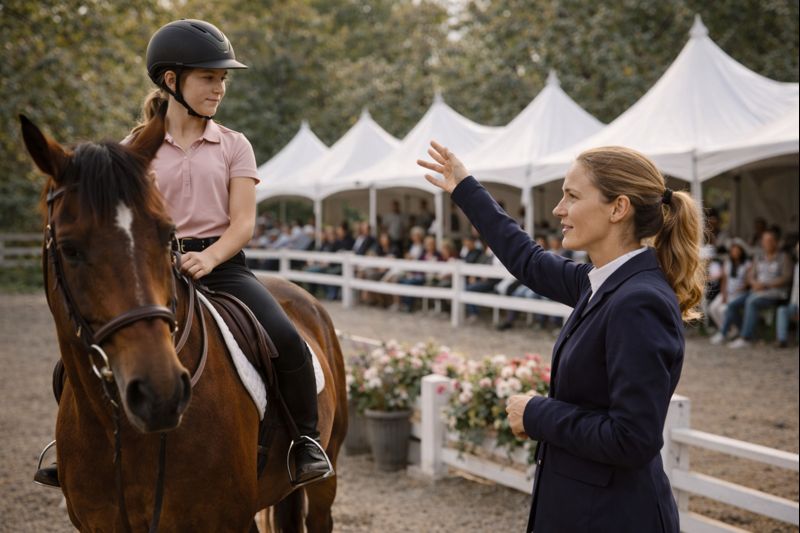
Equestrian events are often viewed through a narrow lens: scores, placings, ribbons, and rankings. For those outside the horse world—or even for riders early in their journey—events can appear to be purely competitive environments where success is measured only by results. Yet for many experienced riders, the true value of equestrian events lies far beyond … Read more
How Clinics and Workshops Improve Both Horse and Rider

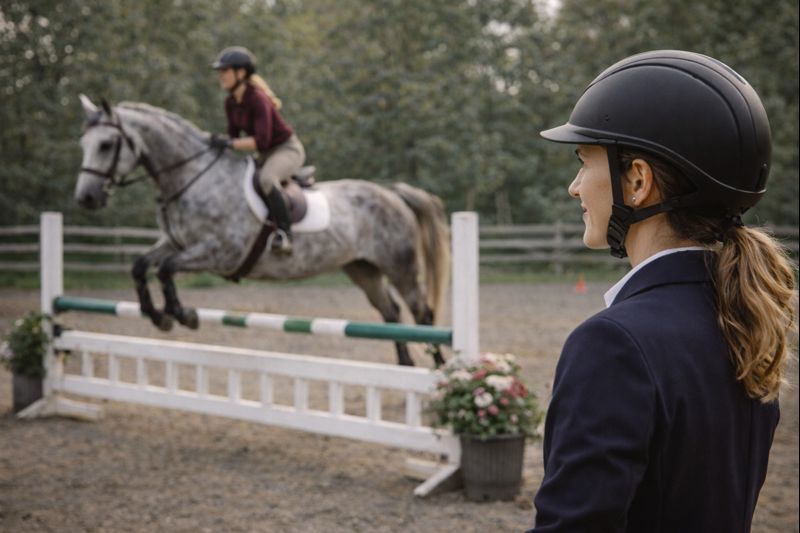
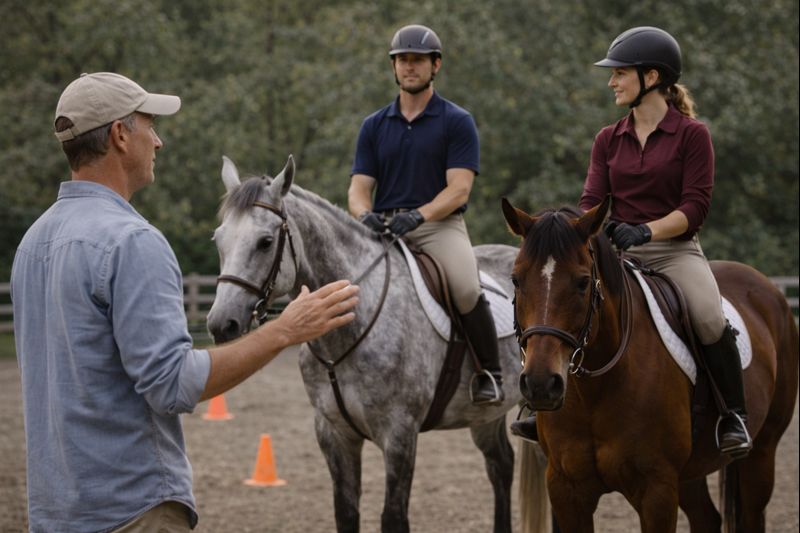
Clinics and workshops occupy a unique space in the equestrian world. They are not competitions, yet they carry a level of intensity and exposure that regular training often lacks. They are not casual lessons, yet they are usually more exploratory than formal programs. When approached thoughtfully, clinics and workshops become powerful tools for development—benefiting both … Read more

Why Community Matters in the Equestrian World

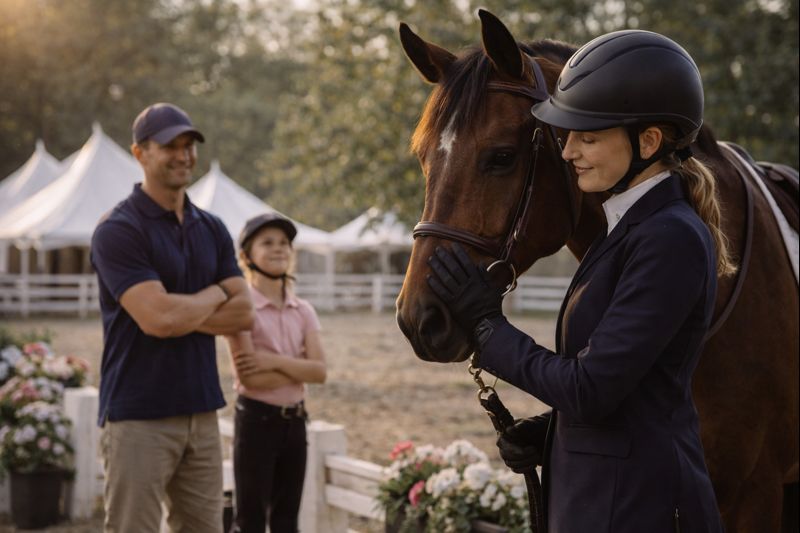
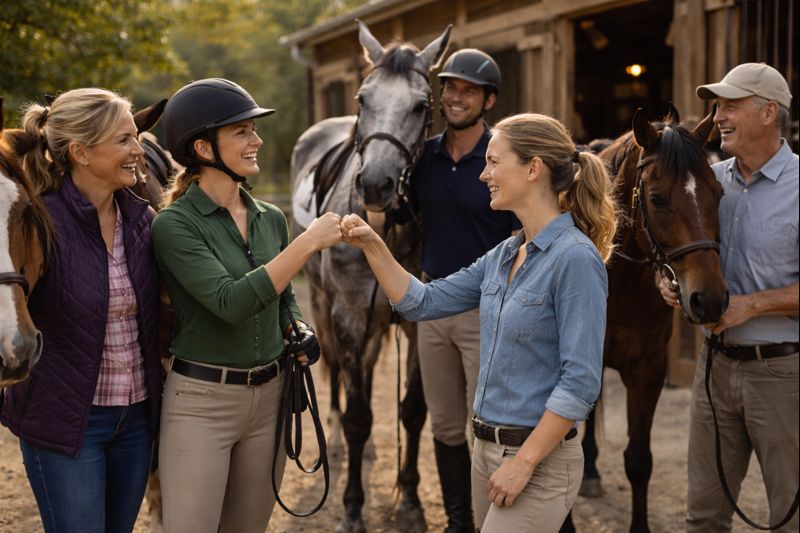
The equestrian world often appears solitary from the outside. Early mornings, individual training sessions, and hours spent caring for horses can create the impression that riding is a largely independent pursuit. While much of the work does happen one-on-one with the horse, no rider truly develops alone. Behind every successful partnership is a network of … Read more

Learning from Other Riders Without Comparing Yourself

Spending time around other riders is unavoidable in the equestrian world. Whether at the barn, in lessons, at clinics, or during events, riders constantly observe one another. This environment creates enormous learning potential—but it also creates one of the most common emotional traps in riding: comparison. Comparison often creeps in quietly. A rider notices someone … Read more

How Continuous Education Shapes Better Horsemen

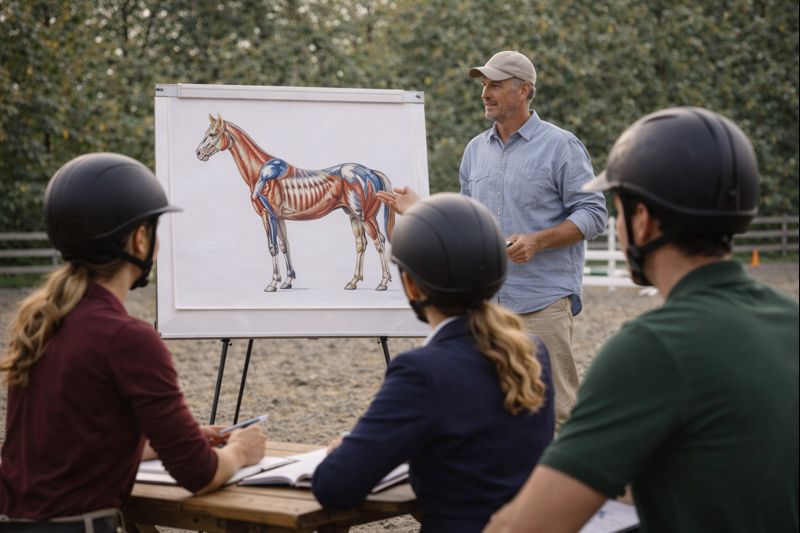
Horsemanship is often misunderstood as a collection of skills learned early and refined over time. In reality, it is an evolving practice shaped by experience, observation, and ongoing education. The most effective horsemen are not those who reached a certain level and stopped learning, but those who remained curious, adaptable, and willing to question their … Read more