
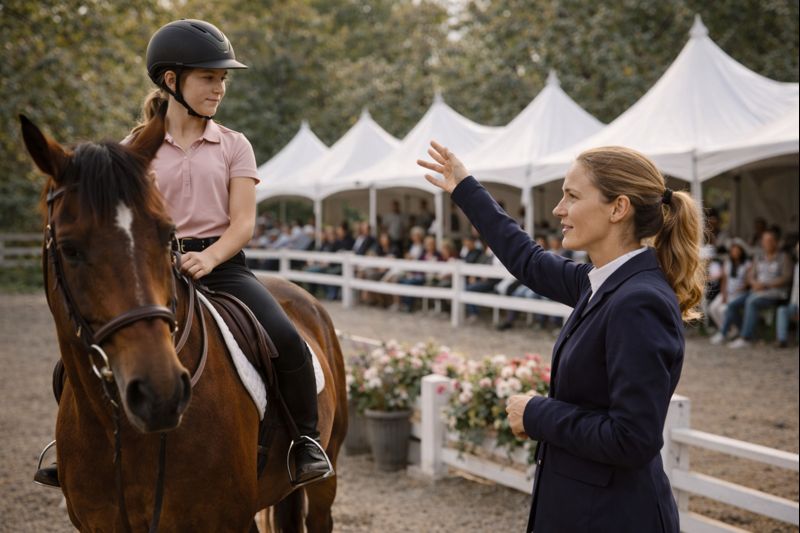
Your first equestrian event is rarely just about riding. It is about logistics, emotions, expectations, and learning how you and your horse function outside the familiarity of home. For many riders, the first event feels overwhelming—not because of the riding itself, but because everything is new at once.
Getting the most out of a first event does not mean riding perfectly or placing well. It means approaching the experience in a way that supports learning, protects your horse’s welfare, and sets a positive foundation for future participation.
Redefining Success Before You Arrive
One of the most important steps happens before you load the trailer: redefining what success means. First events are not exams. They are information-gathering experiences.
Success at a first event may look like:
- Your horse loading calmly
- A relaxed warm-up, even if it’s short
- Completing the ride without escalating tension
- Recovering focus after a distraction
- Leaving the venue with your horse still confident
When success is defined too narrowly, riders miss the value of small but meaningful wins.
Preparation Is About Familiarity, Not Perfection
Preparation does not mean drilling movements repeatedly. It means building familiarity with the types of situations an event creates.
Useful preparation includes:
- Practicing warm-ups in busier environments
- Riding at different times of day
- Introducing your horse to new arenas or footing
- Practicing simple routines away from home
The goal is not to replicate the event exactly, but to reduce the number of “firsts” your horse experiences all at once.
Packing With Intention
Packing for a first event often reveals how much is usually taken for granted at home. Forgetting small essentials can add unnecessary stress.
Think in systems rather than items:
- Horse care: feed, water buckets, hay, grooming tools
- Riding: tack, spares, safety equipment
- Human needs: food, water, clothing layers, sun or rain protection
- Paperwork: entry details, health documents, schedules
Being organized allows you to focus on your horse rather than logistics.
Arrival Sets the Tone
How you arrive matters. Rushing from the trailer to the arena creates tension. Horses pick up on urgency quickly.
Allow time for:
- Walking the horse to observe the environment
- Letting the horse stand quietly and process
- Checking tack and surroundings calmly
A slow, thoughtful arrival helps your horse settle and signals that the environment is safe.
Managing the Warm-Up Without Overdoing It
Warm-up areas can be the most intimidating part of a first event. Horses may be distracted, tense, or overstimulated.
Your warm-up does not need to look impressive. It needs to feel productive.
Focus on:
- Simple, familiar exercises
- Forward rhythm rather than precision
- Relaxation and responsiveness
- Short breaks to breathe and reset
A short, calm warm-up is more valuable than a long, stressful one.
Reading Your Horse Instead of the Schedule
Schedules matter, but your horse matters more. Some horses settle quickly. Others need more time. Some benefit from movement; others from quiet standing.
Stay flexible. If your horse feels overwhelmed, it is appropriate to adjust expectations—even if that means skipping something.
Learning to prioritize the horse’s emotional state over rigid plans is one of the most important skills events teach.
Riding the Test or Course With Curiosity
During your ride, aim for curiosity rather than judgment. Notice how your horse responds, where tension appears, and what helps.
If mistakes happen—and they likely will—focus on recovery rather than correction. A smooth recovery often matters more than avoiding the mistake itself.
Judges, instructors, and experienced riders recognize when a rider is riding thoughtfully, even if execution is imperfect.
Accepting Nerves as Normal
Nervousness does not mean you are unprepared. It means you care.
Instead of trying to eliminate nerves, work with them:
- Breathe intentionally
- Keep movements simple
- Focus on your horse rather than the audience
- Break the experience into small moments
Horses often respond better to calm focus than to forced confidence.
Post-Ride Reflection Without Harshness
What you do after the ride shapes how the experience is remembered. Avoid immediate self-criticism.
Instead, reflect on:
- What went better than expected
- Where tension appeared and why
- What helped your horse relax
- What you would repeat next time
Write notes while the experience is fresh. These observations become valuable reference points.
Caring for Your Horse After the Ride
Aftercare matters, especially at a first event. Horses expend emotional energy as well as physical energy.
Prioritize:
- Cooling down properly
- Offering water and forage
- Allowing quiet time
- Monitoring behavior and comfort
A positive post-event experience helps the horse associate events with safety rather than stress.
Learning From Others Without Comparison
Events offer countless opportunities to learn by observing. Watch warm-ups, rounds, and handling styles.
Learn selectively. Not everything you see will suit you or your horse.
Comparison becomes harmful when it undermines confidence. Observation becomes helpful when it expands understanding.
Knowing When Enough Is Enough
One of the most valuable skills at an event is knowing when to stop. Leaving on a positive note is always an option.
Withdrawing, skipping a class, or ending early is not failure. It is good horsemanship when done for the horse’s benefit.
First events are about building trust, not proving toughness.
Integrating the Experience at Home
The true value of a first event appears afterward. Use what you learned to adjust training, routines, and expectations.
Ask:
- What does my horse need more exposure to?
- What preparation helped most?
- What can be simplified next time?
Progress comes from integration, not repetition of the event itself.
Setting the Tone for Future Events
A first event shapes how future events are approached. When the experience is supportive and educational, riders are more likely to continue.
Approached thoughtfully, the first event becomes a starting point rather than a test.
Growth Happens One Experience at a Time
No rider becomes confident through a single event. Confidence builds through repeated experiences that feel manageable.
Your first event is one step in a longer journey. Its value lies not in how it looks to others, but in what it teaches you and your horse.
When success is defined by learning, welfare, and reflection, every first event becomes worthwhile—regardless of the final score.