
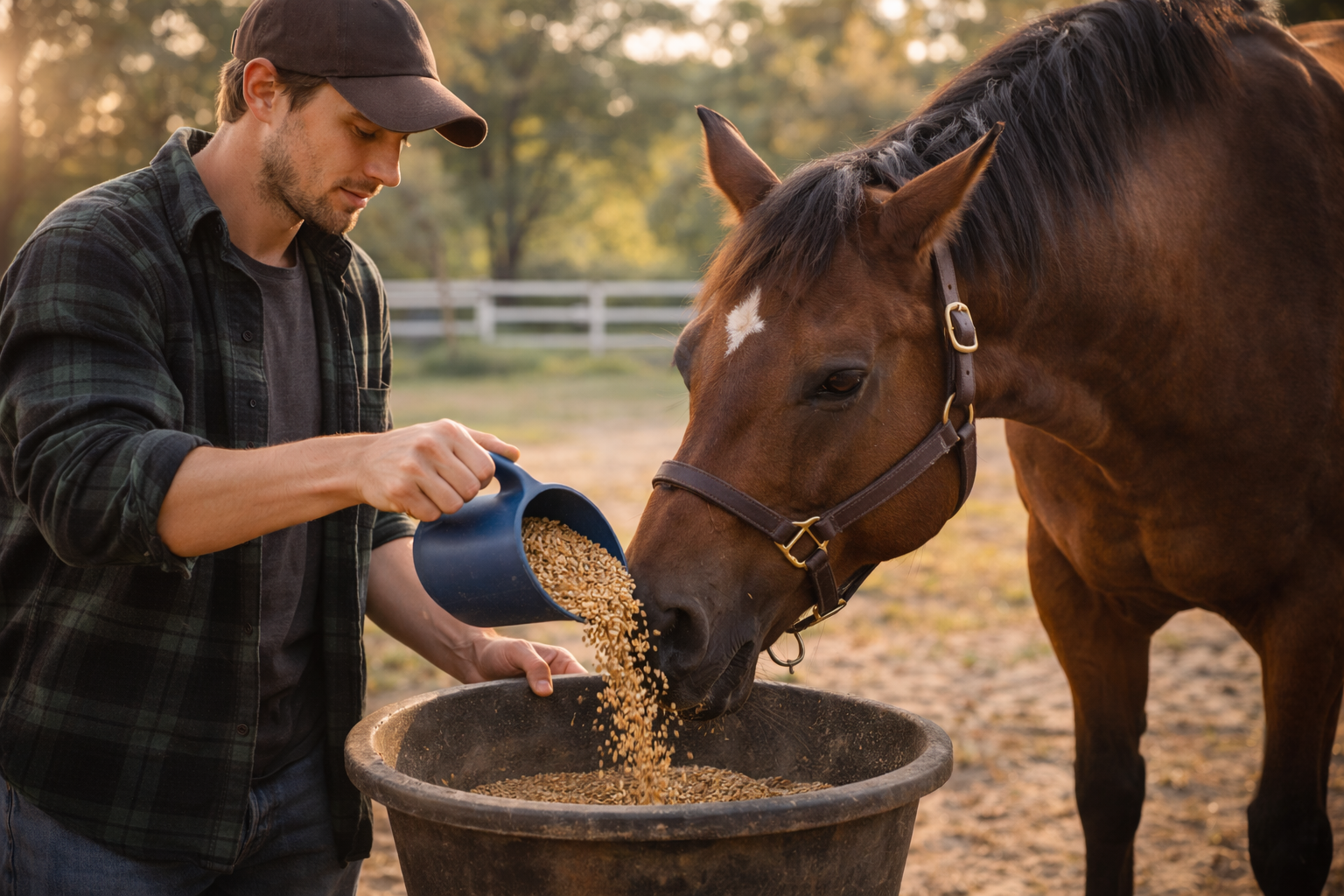
It’s easy to think of nutrition as a purely physical topic—weight, topline, coat shine, hoof quality. But nutrition also has a profound influence on behavior, mood, and day-to-day energy. Many “training problems” are actually management problems in disguise, and diet is one of the most common hidden drivers of tension, sluggishness, distractibility, and irritability. When you understand how nutrition affects the horse’s body systems, you start to see behavior through a more accurate lens: not “good” or “bad,” but regulated or dysregulated.
The foundation is the horse’s natural design. Horses evolved to graze on forage for many hours a day. Their digestive tract is built for continuous fiber intake. When that model is disrupted—long periods without forage, meals that are too large, or feeds high in starch and sugar—the horse’s internal environment changes. Those changes can show up as mood shifts and inconsistent energy levels.
One of the biggest nutrition-related behavior triggers is the balance between fiber and non-structural carbohydrates (NSC), which include starches and sugars. High-NSC feeds can create rapid glucose availability. In some horses, that can contribute to “hot” behavior—excess reactivity, difficulty settling, and sudden bursts of energy. Not every horse reacts the same way, but many sensitive horses show a clear pattern: more grain or high-sugar feed, more tension. Meanwhile, a forage-first diet tends to promote steadier energy and calmer focus because fiber ferments slowly in the hindgut, releasing energy more gradually.
Forage quantity and timing also matter. Because the horse’s stomach produces acid continuously, long gaps without hay can increase discomfort and stress. A horse with gastric discomfort may become girthy, irritable, resistant to the bit, unwilling to move forward, or generally “not themselves.” Sometimes these horses look anxious. Sometimes they look dull. Either way, the root can be physical discomfort fueled by feeding patterns rather than personality.
Protein is another misunderstood factor. Horses need adequate protein—not just for muscle development, but for repair, immune function, and overall vitality. A horse lacking high-quality amino acids may look lethargic, lose topline, and struggle to build fitness. That fatigue can be mistaken for laziness. On the other hand, excess protein doesn’t usually cause “hot” behavior the way sugar does, but it can create management issues like excessive urine and ammonia in stalls, which impacts respiratory comfort. The goal is balance, not extremes.
Fat is an important energy source that often supports more stable behavior. Unlike starch, fat provides calories without a sharp glucose spike. Many performance horses do well with additional fat in the diet (via oils or stabilized rice bran, for example), especially when the goal is sustained energy rather than quick bursts. For some horses, replacing part of the grain with a fat source can reduce reactivity while maintaining condition. Again, individual differences matter, but the underlying principle is stable fuel.
Micronutrients—vitamins and minerals—also influence mood and energy, though their effects are often subtle. Magnesium, for instance, is involved in muscle function and nervous system regulation. A deficiency may contribute to muscle tightness or sensitivity in some cases, though it’s not a magic calming agent. Trace minerals like zinc, copper, selenium, and iodine support metabolism, immune function, and tissue repair. When horses are out of balance, they may show poor coat quality, slow recovery, lowered performance, and general dullness. These signs can overlap with “attitude problems,” which is why nutrition should be part of any troubleshooting plan.
Hydration and electrolytes are another major behavior factor. Dehydration can cause fatigue, irritability, reduced gut motility, and poor performance. Horses that don’t drink well—especially during travel, heat, or changes in routine—may become sluggish, tense, or unwilling. Electrolyte balance affects muscle function and energy. In hot climates or heavy work, insufficient electrolyte replacement can lead to cramping, poor recovery, and a horse that seems “off.” Ensuring access to clean water, adding salt appropriately, and managing electrolytes during intense work supports both physical and behavioral stability.
The gut microbiome is increasingly recognized as a key player in overall well-being. While research continues to evolve, it’s clear that hindgut health affects comfort. Disruption—through sudden feed changes, excessive starch reaching the hindgut, or inconsistent forage—can lead to gas, discomfort, and changes in manure quality. A horse with hindgut discomfort may pin ears, swish the tail, resist bending, or become anxious. Stable forage intake, slow feed transitions, and appropriate fiber sources support a healthier internal environment and often a calmer demeanor.
Speaking of transitions: sudden dietary changes are one of the most common mistakes in management. A new bag of feed, a different hay batch, or a rapid increase in concentrates can stress the gut and create behavioral changes within days. Good nutrition is not only about what you feed—it’s about how consistently you feed it. Gradual change, typically over 7 to 14 days, gives the digestive system time to adapt.
It’s also important to match diet to workload. Underfeeding calories can create fatigue and irritability; overfeeding can create excess energy and weight gain. Horses with light workloads often don’t need large amounts of grain. Many do best on quality forage with a ration balancer to fill nutrient gaps. Performance horses may need more concentrated calories, but the type of calories matters. A diet that fuels work should support focus, stamina, and recovery—not spikes and crashes.
Behavior is also influenced by feeding environment. Horses are social eaters, and competition around food can create stress. If a horse is fed in a way that increases anxiety—rushed meals, inconsistent hay availability, aggressive herd dynamics—mood changes may follow. Management that supports calm eating, adequate forage access, and stable routines often improves behavior without any “training” at all.
The practical takeaway is simple: if your horse’s mood or energy feels inconsistent, look at nutrition as part of the equation. Not as a quick fix, but as a foundation. Evaluate forage quality and availability, consider sugar and starch intake, ensure hydration, and check that the diet matches the horse’s workload and body condition. Work with an equine nutritionist or veterinarian when needed, especially for horses with metabolic issues, ulcers, or performance demands.
When nutrition is balanced, horses often become more predictable: steady energy, calmer focus, better recovery, and a temperament that reflects comfort rather than confusion. And that’s the point. A well-fed horse isn’t just healthier—it’s easier to train, easier to connect with, and more capable of doing its job with a clear mind and a willing body.