
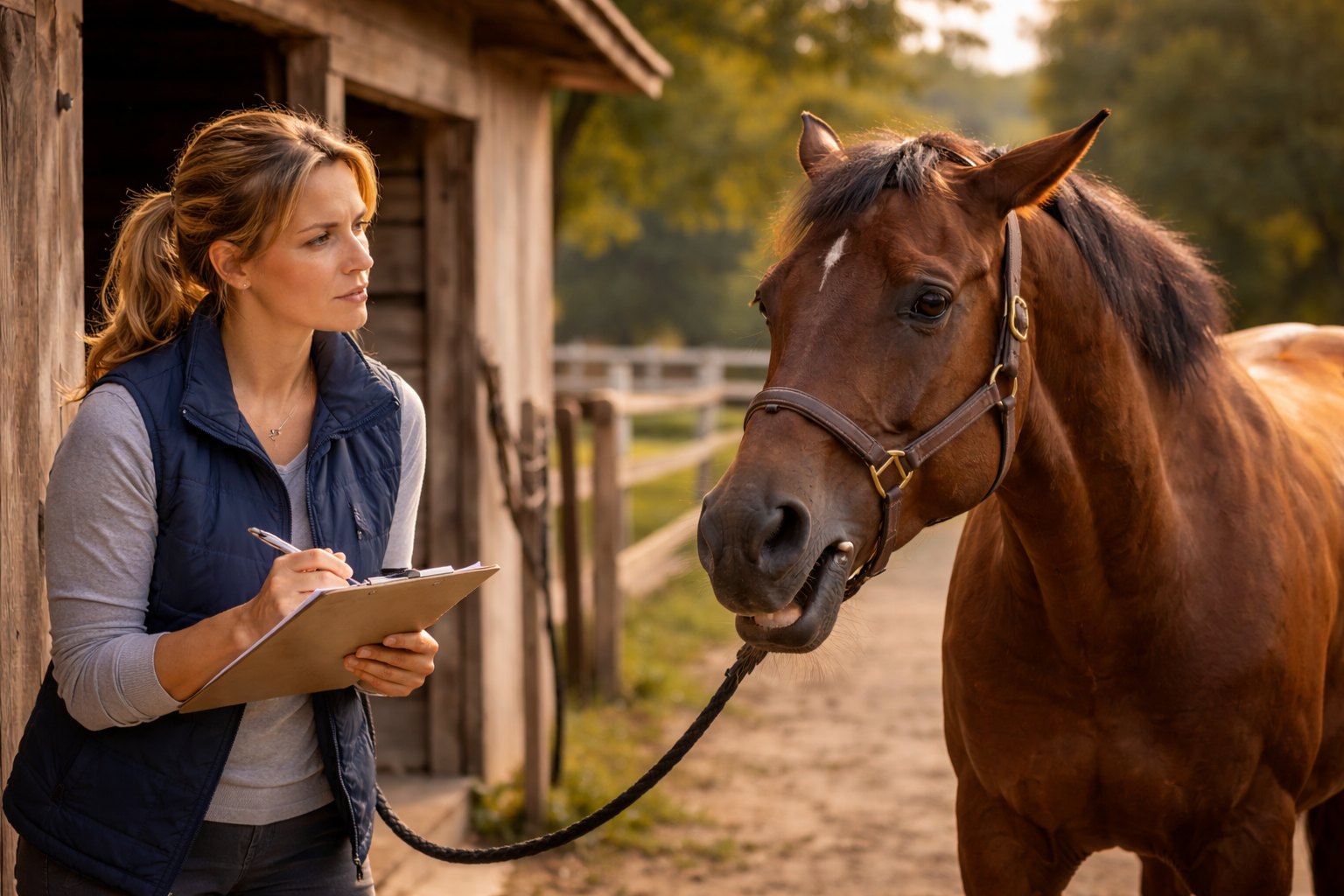
Stress in horses rarely appears suddenly or without warning. More often, it develops gradually, building beneath the surface until it begins to affect health, behavior, and performance. Because horses are highly adaptive and naturally stoic, early signs of stress are easy to miss — or misinterpret.
Recognizing stress early is not about being overly cautious. It is about understanding how horses communicate discomfort long before it escalates into physical or behavioral problems. When addressed in time, stress is often manageable. When ignored, it can become deeply ingrained.
Why Horses Hide Stress So Well
As prey animals, horses evolved to conceal vulnerability. In the wild, visible weakness attracts predators. This instinct remains deeply rooted, even in domesticated environments.
Rather than dramatic reactions, stressed horses often display subtle changes — small shifts in posture, expression, or behavior that signal internal tension. These signs require attentive observation and familiarity with the horse’s normal demeanor.
Stress is not always loud. Often, it is quiet and persistent.
Behavioral Changes Are Early Warning Signs
One of the earliest indicators of stress is a change in behavior. A horse that was once curious may become withdrawn. A calm horse may become reactive or irritable. Others may appear unusually dull or disengaged.
These changes are sometimes labeled as training problems or attitude issues, but they often reflect emotional overload rather than disobedience. Stress affects how horses process information and respond to their environment.
Behavior is one of the clearest mirrors of internal state.
Physical Tension Reveals Emotional Strain
Stress lives in the body as much as in the mind. Horses experiencing stress often show increased muscle tension, particularly in the neck, back, and jaw.
This tension may present as stiffness, reduced range of motion, or difficulty relaxing during work. Over time, chronic tension can contribute to soreness, uneven movement, and increased risk of injury.
A tense body is often the physical expression of a stressed nervous system.
Facial Expressions and Eye Tension
A horse’s face can offer valuable insight into its emotional state. Subtle signs such as tight muscles around the eyes, a fixed or overly alert gaze, clamped lips, or flared nostrils often indicate stress.
These expressions may not look dramatic, but when they differ from the horse’s normal appearance, they deserve attention. Horses that appear constantly vigilant, even at rest, may be experiencing underlying stress.
Relaxation shows in the face — and so does tension.
Changes in Breathing and Heart Rate
Stress often alters breathing patterns. Rapid, shallow breathing or frequent sighing can indicate nervous system imbalance. While occasional changes are normal, consistent irregular breathing patterns suggest the horse may be struggling to relax.
Increased heart rate during low-intensity work or difficulty settling after activity can also signal stress rather than fitness issues.
Physiological responses often precede visible behavioral breakdowns.
Stress in the Stable and Pasture
Stress does not only occur during riding or training. Many signs appear during everyday routines.
A stressed horse may:
- Pace in the stall
- Display repetitive behaviors
- Show tension during feeding
- Struggle to rest or lie down
These patterns often reflect environmental or social stressors rather than physical discomfort alone.
Stable management plays a significant role in emotional well-being.
Training-Related Stress Signals
During work, stress may show up as resistance, inconsistency, or loss of focus. Horses may rush, brace against contact, or shut down emotionally.
These responses are sometimes mistaken for lack of training or discipline. In reality, they often indicate that the horse is mentally overwhelmed or physically uncomfortable.
Reducing pressure, simplifying tasks, and allowing recovery time can help prevent stress from becoming chronic.
The Role of Routine and Predictability
Horses thrive on routine. Sudden changes in schedule, environment, or expectations can create stress even in otherwise confident horses.
Transportation, competition, changes in turnout, or new herd dynamics all introduce stressors that accumulate over time.
Maintaining predictable routines and introducing changes gradually helps protect emotional balance.
When Stress Becomes a Health Issue
Chronic stress doesn’t remain emotional — it becomes physical. Prolonged stress can weaken the immune system, disrupt digestion, and contribute to ulcers, weight loss, and recurrent illness.
Behavioral issues often escalate once stress reaches this stage, making early recognition critical.
Stress management is preventative healthcare.
Listening Without Labeling
One of the most important steps in recognizing stress is resisting the urge to label behavior too quickly.
Terms like “lazy,” “difficult,” or “naughty” close the door to understanding. Stress-related behavior requires curiosity rather than correction.
Asking why instead of reacting creates space for solutions.
The Importance of Observation Over Assumption
No two horses express stress in exactly the same way. What matters most is noticing change — deviations from the horse’s usual patterns.
Regular observation, both during work and at rest, builds a mental baseline that makes subtle stress signals easier to spot.
Attentive observation is one of the most valuable skills a horse owner can develop.
Supporting the Horse Before Stress Escalates
When early signs of stress appear, support may include adjustments in workload, environment, equipment, or handling style. Sometimes the solution is physical. Other times it is emotional or environmental.
The earlier stress is addressed, the simpler the solution tends to be.
Ignoring early signs often leads to complex, long-term challenges.
Final Thoughts
Stress in horses rarely announces itself loudly. It appears gradually, through quiet signals that are easy to overlook in busy routines.
Recognizing stress early protects not only the horse’s physical health, but its emotional well-being and willingness to engage.
Horses communicate continuously. When humans learn to listen before stress becomes a problem, they create partnerships built on understanding, trust, and long-term balance.