
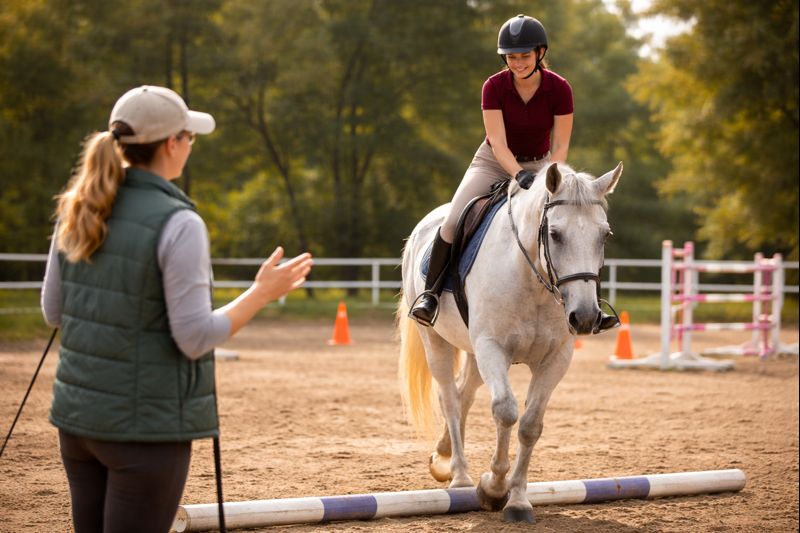
In an era obsessed with speed and visible results, riding can feel frustratingly slow. Weeks of practice may seem to produce only subtle changes. Some days feel like breakthroughs; others feel like steps backward. For many riders, this pace raises uncomfortable questions: Am I improving? Is this working? Am I falling behind?
Horses offer a clear answer. Slow progress is not only real progress — it is often the most reliable kind.
Riding is not a skill that responds well to shortcuts. It is built layer by layer, through understanding, repetition, and trust. What appears slow on the surface is often deep work happening underneath.
Riding Is a Conversation, Not a Command
Unlike activities where progress depends solely on individual effort, riding involves another living, thinking being. Every improvement must make sense to both horse and rider.
This shared learning process naturally takes time. Horses need space to understand new expectations physically and mentally. Rushing that process often leads to confusion, tension, or resistance — signs that progress may be happening too fast, not too slowly.
True improvement happens when both partners stay in sync.
Why Visible Change Often Lags Behind Real Learning
In riding, the most important changes are often invisible. A rider’s balance may improve long before it looks different. A horse may feel more relaxed and responsive before movements become more expressive.
These subtle shifts are foundational. They create the conditions for visible progress later.
Judging improvement only by what can be seen — higher jumps, flashier gaits, quicker results — overlooks the quiet transformations that support long-term success.
The Nervous System Needs Time to Adapt
Both horses and riders operate through complex nervous systems. Learning new patterns of movement and communication requires repetition without overload.
When training progresses too quickly, stress increases. Muscles tighten, breathing becomes shallow, and communication breaks down.
Slow, steady work allows the nervous system to adapt calmly. This leads to:
- Greater consistency
- Reduced tension
- More reliable responses
Progress that respects the nervous system lasts.
Why Rushing Creates Fragile Results
Fast progress often looks impressive — until it falls apart.
Skills built under pressure tend to collapse under stress. Horses may perform well at home but struggle in new environments. Riders may feel confident one day and overwhelmed the next.
Slow progress builds resilience. Each layer of understanding supports the next, creating performance that holds up even when conditions change.
The Emotional Side of Slow Progress
Slow progress can challenge a rider’s patience and confidence. Comparing oneself to others, especially in competitive environments or on social media, intensifies this pressure.
Horses help reframe success. They respond to clarity, fairness, and emotional consistency — not timelines.
Learning to value steady improvement over instant results strengthens emotional resilience both in and out of the saddle.
Small Improvements Compound Over Time
One of the most misunderstood aspects of riding progress is how small changes accumulate.
A slightly better halt, a softer transition, a more balanced corner — none feel dramatic alone. But over weeks and months, these refinements transform the entire ride.
Horses reflect these changes clearly. Movement becomes easier, communication quieter, and trust deeper.
Why Horses Prefer Thoughtful Riders Over Fast Ones
Horses don’t reward speed for its own sake. They reward clarity.
Riders who slow down enough to:
- Prepare transitions
- Notice tension early
- Adjust thoughtfully
Often produce better results than those who push forward relentlessly.
Slowness in riding is not hesitation. It is intention.
Plateaus Are Part of Progress
Every rider encounters plateaus — periods where improvement seems to stall. These phases are often signs that deeper integration is happening.
During plateaus, the body and mind reorganize information. Skills consolidate. Confidence stabilizes.
Breaking through a plateau without forcing it often leads to more sustainable advancement.
How Slow Progress Strengthens the Horse–Rider Relationship
When riders accept a slower pace, horses feel less pressure. This improves:
- Willingness
- Trust
- Emotional relaxation
The relationship becomes more collaborative and less transactional.
Horses that feel understood rather than rushed tend to offer more over time.
Redefining Success in Riding
Success in riding is often misdefined as speed, level, or achievement. Horses offer a different measure.
Success looks like:
- A horse that stays relaxed
- Communication that feels light
- Confidence that holds under pressure
- Progress that doesn’t disappear
By these standards, slow progress is often the most meaningful.
Lessons That Extend Beyond Riding
The acceptance of slow progress doesn’t stay confined to the arena. Riders often carry this lesson into daily life, learning to trust long-term effort over instant gratification.
Careers, relationships, and personal growth all benefit from this mindset.
Horses simply make it impossible to ignore.
Final Thoughts
Slow progress in riding is not a failure of effort or talent. It is a sign that learning is happening at a level deep enough to last.
Horses teach that rushing understanding weakens results, while patience strengthens them.
In riding, as in life, the progress that matters most is often quiet — built step by step, moment by moment — until one day it’s unmistakably there.